These two phrases get used interchangeably in most client conversations, and the confusion costs projects real time and real money. A brand strategy is the thinking that sits behind a brand. A brand identity is the visible and audible system that expresses it. You need both, in that order, and you need to know which one you are actually asking for.
The short definition
Brand strategy answers questions. Who is this brand for? What is it offering? How is it different from the four competitors the buyer is also looking at? What promise has to be true in every room and every inbox? What is the architecture (one brand, a master brand with sub-brands, a house of brands)? What tone is this brand's voice?
Brand identity answers: what does all of that look like and sound like? What is the mark? What is the typography? What is the color? What is the photography? What are the templates? How does it feel in the hand, on a sign, on a sales sheet?
A test that usually works
A quick gut check: if you can describe it with words, it is probably strategy. If you can point at it, it is probably identity. "We are the mountain counterpart to our coastal competitor" is strategy. The serif type family, the deep green, the copper bag tag, the photography of fog at 6:45 in the morning — those are identity.
Why people confuse them
Because a lot of agencies sell "brand" and deliver "identity." They run a short workshop, generate a loose positioning sentence, then spend the rest of the engagement designing a logo. The strategy becomes a two-page PDF nobody refers to again, and the identity becomes everything. The result is a beautiful system expressing nothing in particular. That is why an identity can feel right and still not work.
Why order matters
If the identity comes first, the strategy that follows has to justify what the identity already did. This usually results in a reverse-engineered positioning statement. If the strategy comes first, the identity has something to express, and every design decision has a check against it. Does this serif feel like the audience we defined? Does this color carry the promise we made? Does this monogram work on the small surface we identified as the most-seen? Strategy first, identity second, in that order.
What a strategy actually looks like
A good brand strategy is not a seventy-slide deck. It is a tight written document of maybe fifteen to thirty pages that covers: audience, positioning, brand idea or narrative, messaging hierarchy, tone of voice, and brand architecture decisions. It is designed to be read by a CEO in thirty minutes and by a new hire in a week. It is not the place to win awards. It is the place to make decisions.
What an identity actually looks like
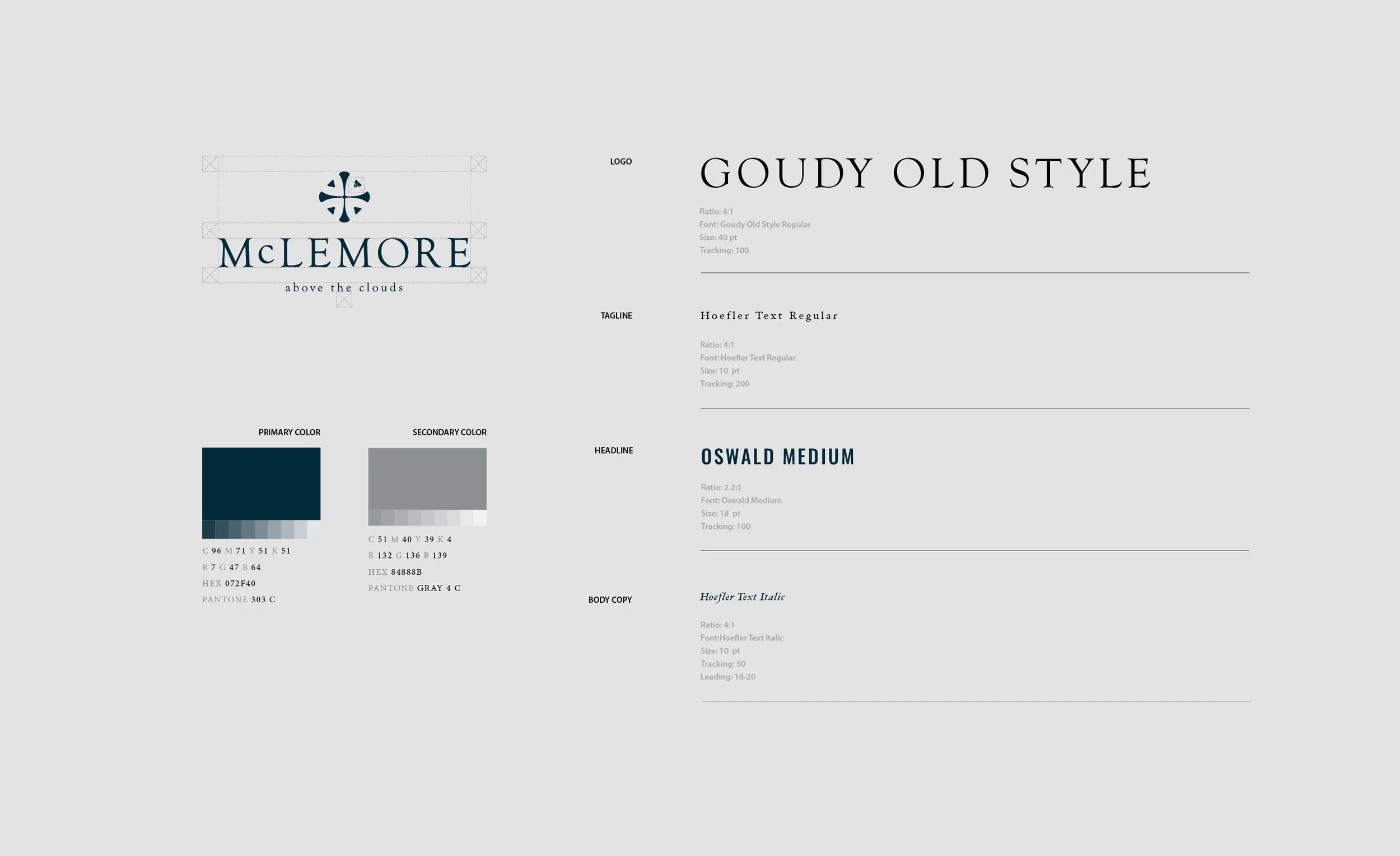
A good brand identity is not a logo file. It is a kit: primary mark, secondary marks, monograms, wordmarks, typography system, color palette, pattern or ornament, photography direction, application examples, templates, and a written brand guidelines document. See our journal post on what a brand guidelines document should include. That kit is what makes a brand consistent when you are not in the room.
Which one do I need?
If the business has not been named, if the positioning is fuzzy, if the leadership team cannot say in one sentence what the brand is for and unlike whom, you need brand strategy first. If all of that is clear and you are staring at the existing identity wondering why it feels like it was made for a different company, you need brand identity work, and you can skip or shorten the strategy phase.
At ESQUE, every project starts with a short strategy phase by default. Sometimes that phase takes two weeks because the strategy is already clear and the team just needs it written down. Sometimes it takes ten weeks because the business is new or going through a change. Either way, the identity benefits from it, and the identity is what ends up on the bag tag.
In one sentence
Brand strategy is the script. Brand identity is the costume and the lighting. A good production needs both, and the script is always written first.
If you are starting a project, see our pages on brand strategy and brand identity, or the how to brief a branding agency guide.