A consumer standing at the entrance of a hotel doesn't read the brand. They feel it.
The quality of the stone under the entrance sign. The way the Corten steel letters catch the late afternoon light. The scale of the monumental sign against the sky. The specific golds and ambers of the color palette, drawn from the morning cloud inversions the hotel is named for. All of that is information, not delivered through text or explicit communication, but through the direct perceptual experience of being in a space that was designed to say something specific.
That is visual communication at its most powerful. And the future of brand engagement is about replicating that directness, that immediacy of felt meaning, across more surfaces, at greater speed, and with deeper personalization than anything that currently exists.
Where Things Are Now
The shift is already underway. The question is how fast it moves and who is positioned to use it.
Three currents are converging simultaneously. The first is the collapse of the separation between physical and digital brand environments. A guest who encounters the Cloudland identity on a room key card, a door hanger, a wayfinding sign, and a website is, in a meaningful sense, inhabiting a single brand environment distributed across multiple surfaces. The expectation of that consistency, that a brand will feel equally resolved whether encountered in physical space or on a screen, is now a consumer baseline, not a luxury standard.
The second is the increasing sophistication of interactive and immersive visual formats. For Flatrock Motorclub, communicating the visceral experience of driving a 3.5-mile FIA Grade 2 racetrack required weeks of production planning and a counterintuitive visual strategy, focusing on the driver rather than the circuit, creating a sense of felt desire rather than literal documentation. That approach worked because it understood something about how consumers process experiential information: they don't want to be shown a product. They want to feel what it would be like to have it.
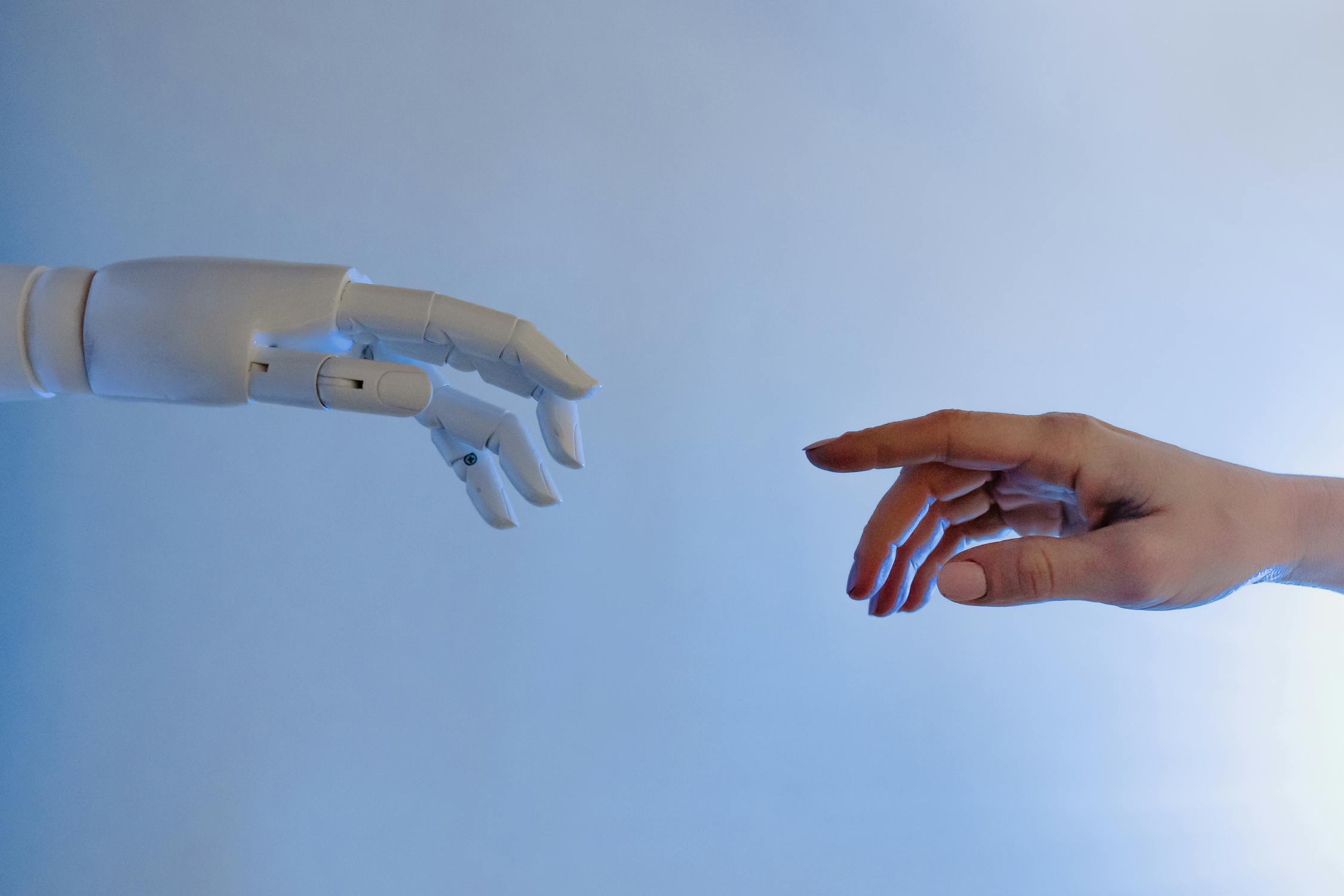
The third current is the acceleration of AI-assisted visualization, the ability to generate, iterate, and personalize visual content at a speed and scale that was impossible even two years ago. This is not primarily a production efficiency story. It is a relationship story. When a brand can show a prospective member what their specific membership experience might look like, tailored to their preferences, their history, and their aesthetic sensibility, the distance between interest and commitment collapses.
What the Near Future Looks Like
Within the next three to five years, several shifts will move from early adoption to expected standard.
Spatial brand environments. The physical-digital integration we already design for will extend into genuinely immersive formats, not as novelty, but as the expected context for high-consideration purchase decisions. A prospective member of a private club will move through a spatial representation of the property before visiting in person. The brand environment they encounter there will need to be as resolved and as consistent as the one they encounter on arrival.
Scroll and gesture as purchase accelerants. The path from first encounter to committed purchase decision is shortening, driven by visual experiences that eliminate the cognitive distance between "I want this" and "I have this." Brands that invest in visual systems sophisticated enough to close that distance will convert at significantly higher rates than those that don't.
Personalized visual journeys at scale. The ability to present a brand differently to different consumers, not by compromising the brand's integrity, but by emphasizing the dimensions of it most relevant to a specific person, will become a competitive expectation. A golf resort that shows its culinary programming to one prospect and its membership community to another is the same brand, presented in the language most likely to resonate.
Motion as primary brand language. Static brand identities will remain essential, including the mark, the palette, the typeface, and the system, but the motion vocabulary that brings them to life will increasingly be treated as equally foundational. How a logo enters a frame, how a color transitions in response to scroll, how type moves in a hero section: these are not finishing touches. They are primary communications.
What This Means for How You Build Your Brand Now
The brands that will navigate this shift most successfully are the ones that are building with the right foundations today. That means a few specific things.
First: invest in identity systems that are genuinely flexible. A mark or color system that was designed to live on a letterhead and a website will fracture under the demands of spatial, immersive, and motion-based environments. The systems that hold up are the ones built with enough internal coherence to expand into new contexts without losing their essential character.
Second: build visual content libraries that are designed to be used, not archived. The production work ESQUE has done for clients like Flatrock Motorclub, weeks of planning, a full crew, a content library built specifically to communicate felt experience rather than documented features, represents the kind of visual asset foundation that will compound in value as distribution formats evolve.
Third: think about the path to purchase as a designed experience, not a natural occurrence. Every touchpoint a prospective customer encounters, from a print advertisement in duPont Registry to a social post to a website landing page to an in-person site visit, is an opportunity to either advance or interrupt the journey toward commitment. Designing that journey with the same rigor applied to the brand itself is the next frontier of brand strategy.
The future of seeing is not about technology. It is about understanding that consumers have always processed the world primarily through direct perceptual experience, and that every advance in visual communication is simply a better tool for meeting them there.
The brands that have always known that are the ones best positioned for what comes next.
ESQUE is a strategy, branding, and design studio based in Chattanooga, TN. Building a brand that needs to perform across the next generation of visual environments? Let's think about it together.